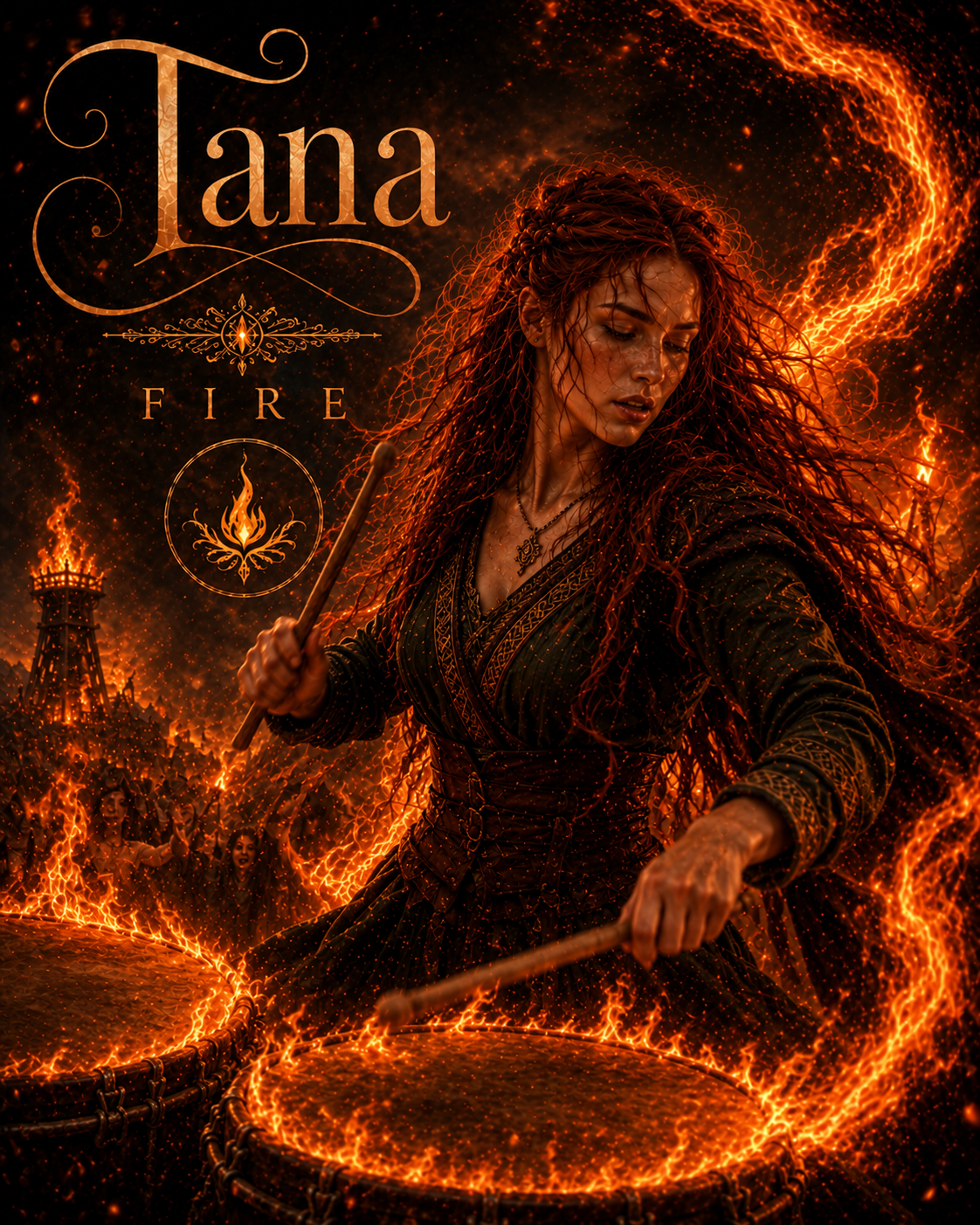
The World of Aria's Song
A spoiler-free introduction to the world of the Fala Trilogy
If you've just finished The Distance She Chose, welcome — you've already had a first taste of this world. Here's a closer look at where it all takes place.
Welcome to the Mountain
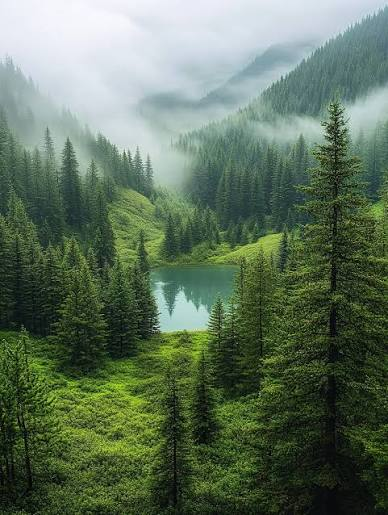
High above the clouds, where snow rarely leaves the ground and the air itself seems to hold its breath, lives a people called the Fala.
They are small in number. Smaller in stature, too — dark-haired, dark-eyed, quiet by nature, and utterly devoted to the mountain that shelters them. They grow no meat, raise no herds for slaughter, and measure their years less by seasons than by the turning of something older: the slow, patient rhythm of a divine presence they call simply the One.
The Fala believe the world was given to them gently, and that gentleness must be returned in kind — to the mountain, to the forest, to each other, and to the dead.
This is the world Aria's Song begins in.
The People of the Mountain
Fala life moves to the sound of drums and the lyre. Music isn't entertainment here so much as it is a form of prayer — a way of speaking to the One, and, some say, a way of being heard back.
Herblore is sacred work, passed down through careful hands and careful memory. The village healer holds a position close to priestess, and the line between medicine and ritual blurs on purpose: to heal the body is understood as an act of spiritual care, not a separate craft from it.
Villages are small, circular, built around a central fire where festivals are held on the full moon and at the turning of each solstice. Beyond the village, the forest is not simply wilderness — it is listened to, spoken to, and, in its quieter corners, feared.
The Divine, Understood as Her
Among the Fala, the sacred has always been imagined as female — not a distant, judging god, but something closer to a mother the whole world was born from. Their rituals, their prayers, their understanding of mercy all flow from this single conviction: that whatever holds the universe together does so the way a mother holds a child, not the way a ruler holds a kingdom.
This belief shapes everything about how the Fala understand suffering, healing, and each other. It is gentler than most religions imagine divinity to be — and, as the story unfolds, it will be tested in ways the Fala never expected.
The Elements, and the Gift
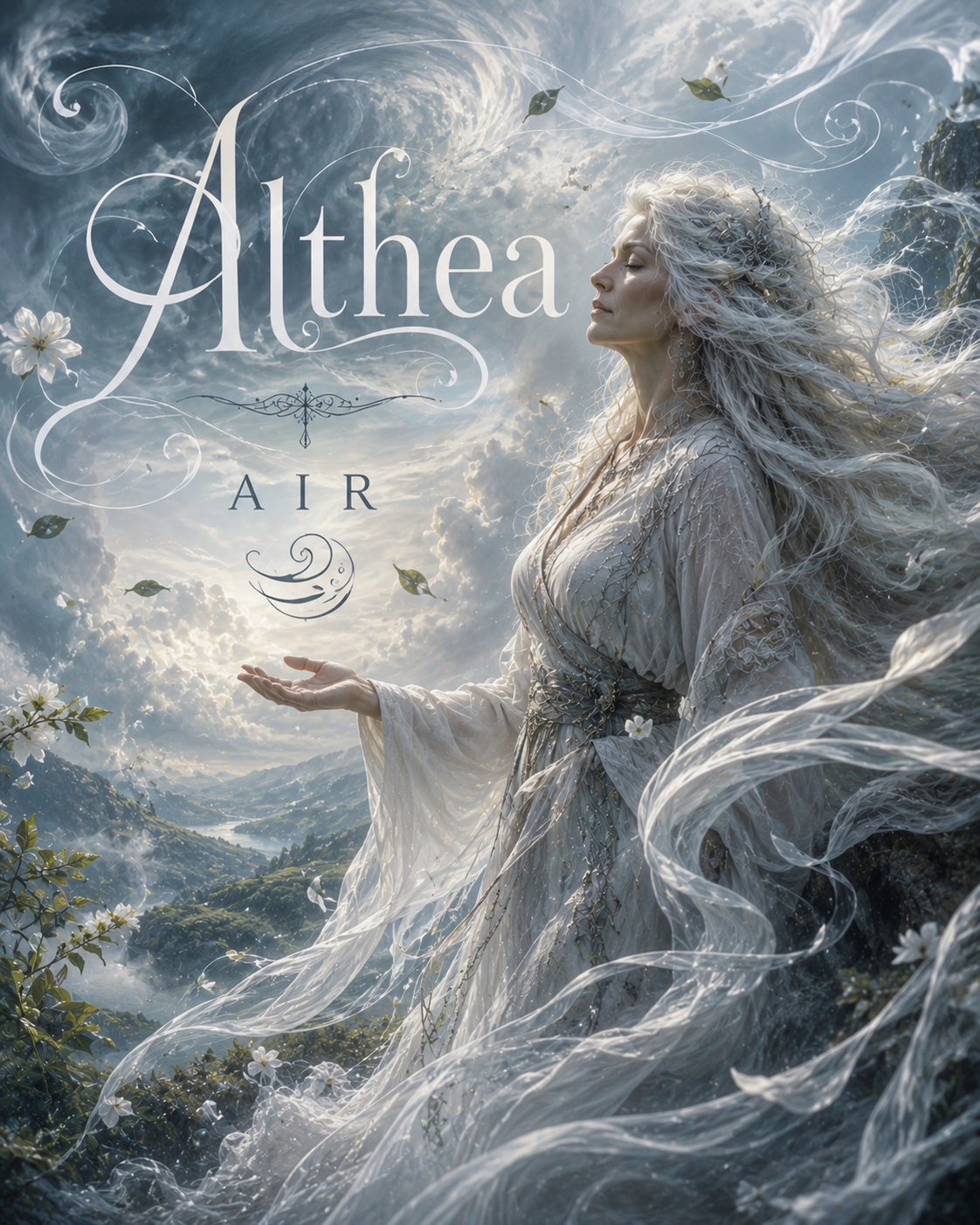
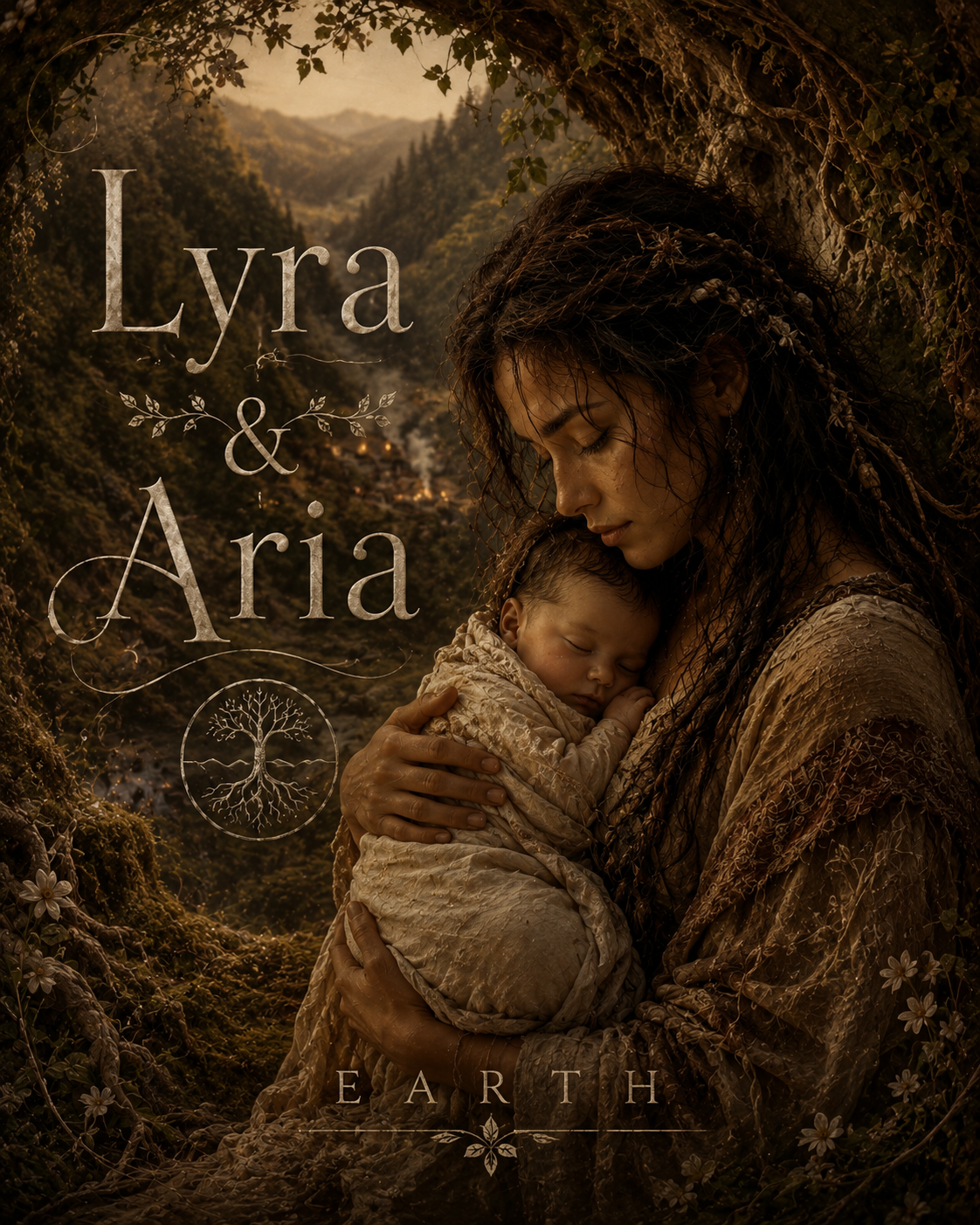
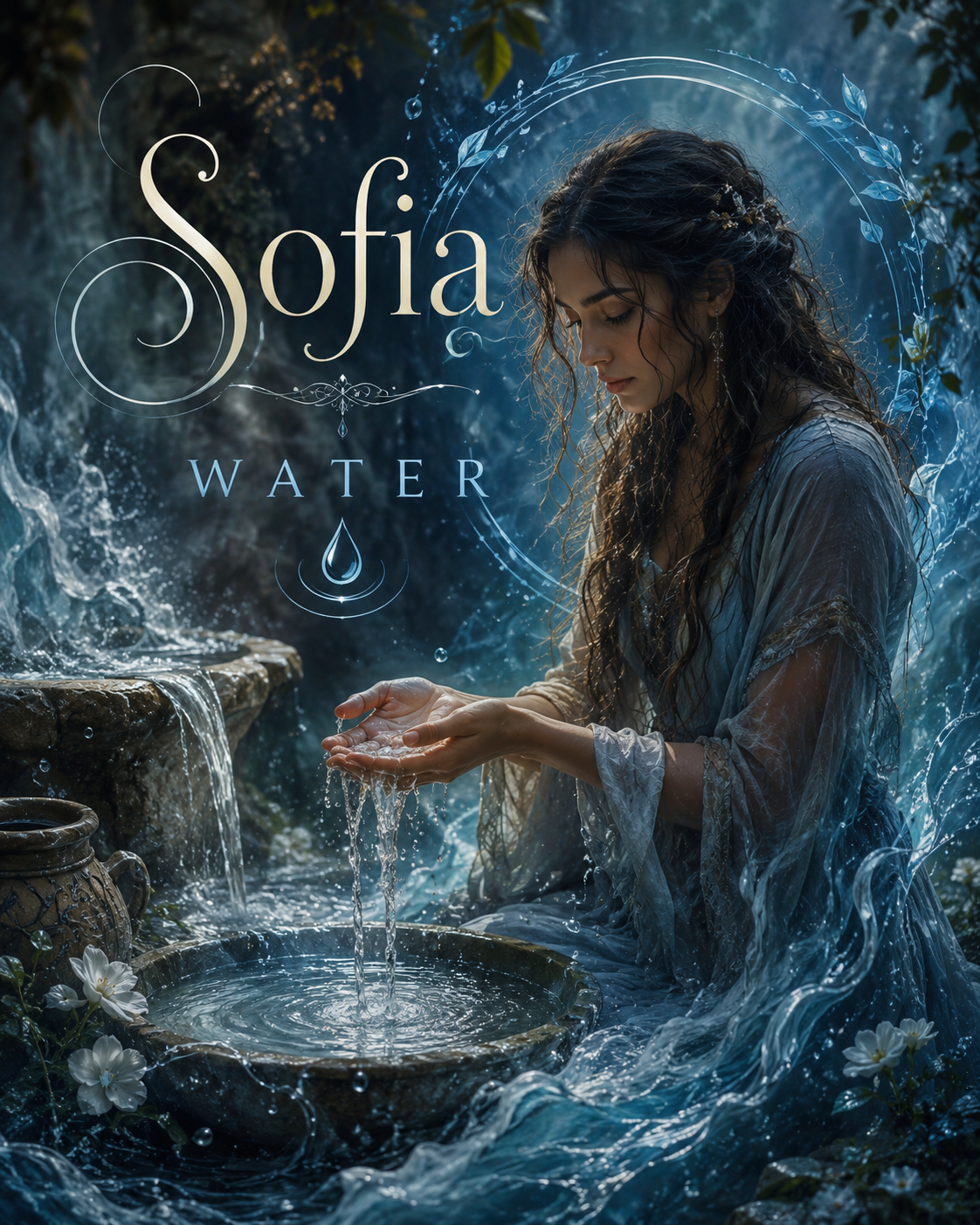
Certain women among the Fala are born carrying something more — a gift passed unpredictably through a single bloodline, skipping generations without warning. It expresses itself differently in each woman who carries it: as an affinity for earth, for water, for air, for fire. As a way of listening. As a way of healing. As a voice, or a rhythm, or a stillness that others cannot quite explain.
No one fully understands why the gift comes when it does, or what it ultimately asks of the woman who receives it. That mystery is part of what carries the story forward.
The Shadow at the Boundary
Not everything in the mountains is gentle.
Somewhere beyond the village boundary, in the deep cold places the Fala no longer travel after dark, something moves that the old stories call monstrous. But the mountain has a way of complicating its own stories — and the Fala who study the boundary longest are rarely the ones who still believe it's simple.
That question sits at the heart of Aria's Song — and its answer, or the search for one, is the story this trilogy is built to tell.
The Story
Aria's Song is the first book in a planned trilogy following three generations of Fala women, each called to carry the same gift — and each forced to answer, in her own way, the oldest question the mountain has ever asked:
What do we owe each other, when fear tells us to protect only our own?
Book One: Aria's Song
Book Two: The Children of Winter
Book Three: The Song of Returning
More to come.
Want to be the first to know when Aria's Song is available? to follow the journey — no spam, just updates when there's real news to share.